Calories Icon: A Versatile Graphic Design Asset for Modern Content Publishing
As a seasoned blog designer and digital publisher, I always look for design assets that elevate the visual communication of content without overwhelming it. The Calories icon is one such asset—simple, clean, and highly adaptable to various editorial and web design needs. Whether you're crafting blog headers, Pinterest pins, or downloadable resources, this line-style graphic offers a subtle yet impactful presence that can enhance your brand’s visual identity.
First Impressions and Editorial Mood
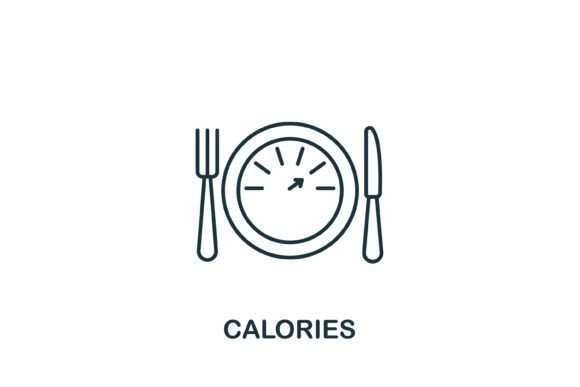
The first thing that stands out about the Calories icon is its modern aesthetic. It uses a minimalist line drawing style that immediately feels fresh and contemporary. This kind of design language naturally supports lifestyle, health, fitness, and nutrition-focused content niches. Its simplicity suggests clarity and approachability, which can be especially useful when targeting audiences looking for straightforward information or actionable tips.
Visually, the icon doesn’t scream for attention but rather invites curiosity. That makes it ideal for content that relies on visual hierarchy and gentle guidance—like article thumbnails, infographic elements, or even in newsletter banners where it adds just the right amount of visual interest without distracting from the message.
Real-World Use Cases for Bloggers and Publishers
In real publishing workflows, the Calories icon shines across multiple platforms and formats:
- Blog Featured Images: Add it as an accent in headers to highlight calorie-related topics like recipes, meal plans, or diet guides.
- Pinterest Graphics: Place it near recipe titles or workout routines to create visually engaging pins with clear focal points.
- Article Headers: Use it to introduce sections discussing nutrition facts, food science, or healthy living in a polished editorial layout.
- Newsletter Banners: Incorporate it into weekly email themes focused on wellness or fitness to reinforce the topic at a glance.
- Lead Magnets & Digital Guides: Feature it prominently in downloadable resources such as "50 Healthy Meal Ideas" or "Nutrition Tracker Templates."
- Canva Templates: Integrate it into custom templates for content creators who need quick, professional-looking graphics for social media or blogs.
- eBook Covers and Printables: The icon's versatility allows it to work well in both bold, colorful covers and soft-toned printables aimed at educational or self-help content.
Its neutral tone and elegant form make it suitable for both feminine and masculine aesthetics depending on how it's paired with typography and color schemes. It’s particularly effective in layouts that lean towards educational or informative moods, where clarity and ease of understanding are key.
Enhancing Content Performance
Strong visual elements like the Calories icon can significantly improve how readers interact with your content. Here’s how it contributes to performance:
- Stronger First Impression: Readers judge content by its cover. A crisp, modern icon helps establish trust and professionalism right from the start.
- Clearer Visual Hierarchy: When used in headers or thumbnails, the icon acts as a visual anchor, helping users quickly identify the theme or focus of a post.
- Better Click-Through Potential: On platforms like Pinterest or Instagram, icons like Calories can increase engagement by making your visuals more scannable and attractive.
- More Consistent Branding: If your blog or website focuses on health and wellness, using this icon repeatedly across different content types builds a cohesive brand identity.
- Improved Reader Trust: Clean, editable icons suggest a level of polish that reflects quality content behind them.
- Stronger Visual Identity: Pairing the icon with specific fonts and colors can help define your niche and make your content instantly recognizable.
Where This Design Asset Works Best
While the Calories icon is versatile, it truly excels in certain publishing scenarios:
- Hero Images: Use it subtly in large-format headers to guide the reader toward the main message.
- Category Thumbnails: Ideal for organizing content archives around health, fitness, or lifestyle topics.
- Editorial Accents: Drop it into sidebars, infographics, or text breaks to add visual rhythm and interest.
- Content Upgrades: Highlight free downloads or premium digital products related to nutrition or fitness with this icon for better conversion cues.
- Printable Designs: Whether you're creating worksheets, planners, or trackers, the icon fits seamlessly into a variety of printable layouts.
Use with Caution in These Scenarios
Despite its strengths, there are situations where the Calories icon might not be the best fit:
- Small Mobile Thumbnails: Its line style may become too faint or lose detail when scaled down.
- Text-Heavy Blog Images: In designs packed with copy, the icon could get lost unless intentionally placed for balance.
- Low-Contrast Backgrounds: Without sufficient contrast, the icon may blend in and fail to communicate effectively.
- BUSY Layouts: Avoid overloading pages with multiple similar icons; use it sparingly to maintain readability and focus.
- Corporate or Minimalist Websites: While it has a clean feel, it may not align with ultra-minimal or formal brand identities.
Practical Publisher Tips for Using the Calories Icon
To maximize the effectiveness of the Calories icon in your projects, consider these practical steps:
- Test on Desktop and Mobile Screens: Ensure it remains legible and impactful across all device sizes.
- Check Thumbnail Quality: Preview how it looks when shrunk to ensure it still conveys the intended message.
- Place in Real Blog Layouts: See how it interacts with your existing site structure and content styles.
- Test with Headline Text: Try combining it with different font styles (serif, sans serif, script, display) to find the perfect pairing.
- Confirm Contrast and Readability: Always test the icon against your background colors to ensure it stands out clearly.
- Try in Black and White: Assess whether the icon retains its shape and meaning without color.
- Review File Size for Web Performance: Optimize JPGs and SVGs to avoid slowing down page load times.
- Compress Images Properly: Use tools like TinyPNG or ImageOptim to keep file sizes lean while maintaining quality.
- Verify Commercial Licensing: Before deploying it on monetized sites, affiliate marketing campaigns, or paid digital products, confirm that you have the proper commercial license.
Why It Matters in Content Marketing and Affiliate Work
For content marketers, having a reliable graphic design asset like the Calories icon is essential. It enables you to craft consistent, high-quality visuals that support your messaging and drive clicks. In affiliate marketing, where trust and clarity are paramount, the icon helps signal value quickly—whether it's in a product feature image or a lead magnet promoting a healthy lifestyle guide.
Its availability in EPS, AI, SVG, and JPG formats means it's easy to integrate into your workflow, whether you're using Adobe Illustrator, Canva, or any other design tool. You’re not locked into one platform, giving you flexibility to scale and adapt your digital product visuals as needed.
Final Thoughts for Creative Entrepreneurs and Small Business Owners
If you're managing a blog, website, or editorial project that benefits from clean, modern icons and graphics, the Calories icon is worth adding to your toolkit. It’s not just a decorative element—it’s a strategic component of brand identity and editorial design that enhances the overall user experience.
Remember to evaluate how it works within your existing visual system. Does it complement your current color palette? How does it behave in social media previews? These questions will help you determine if it's the right fit for your creative marketplace presence.
With thoughtful integration, the Calories icon can help your content stand out in a crowded digital space. It’s a small asset that carries big potential—especially when you’re committed to delivering visuals that are both beautiful and functional.