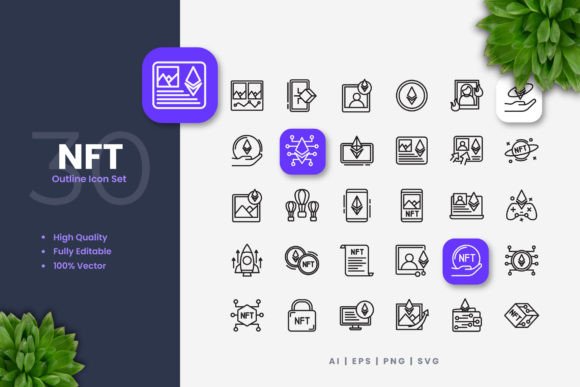
Nft Icons: A Simple Graphic Design Asset for Modern Local Branding
As a brand designer who regularly works with small businesses, I always look for design assets that can be both versatile and impactful. Recently, I reviewed Nft Icons, a set of simple and clean icons designed for websites, mobile apps, social media, and more. While they may seem like just another icon pack from a creative marketplace, I found them to have real potential in supporting local business branding projects—from product packaging to marketing visuals.
First Impressions: Clean, Contemporary, and Versatile
The first thing I noticed about Nft Icons is their clarity. They’re minimalistic but not empty—each one communicates its purpose without unnecessary detail. The style feels modern and digital-first, which makes it ideal for brands that want to project innovation and simplicity. These icons suggest a brand personality that’s friendly, approachable, and slightly tech-savvy, yet still grounded in usability.
I imagine them fitting well with startups, online boutiques, or even traditional local businesses looking to refresh their visual identity with a contemporary edge. For example, a handmade soap shop or boutique store could use these to enhance their digital presence while maintaining a cohesive offline aesthetic.
Real-World Applications for Small Business Branding
Nft Icons are more than just decorative—they can serve as functional elements in a variety of branding applications. Here are some practical ways I’ve considered using them:
- Product labels: On food products, candles, or skincare items, these icons can help highlight key features like “organic,” “handmade,” or “eco-friendly” without overwhelming the layout.
- Packaging design accents: Their subtle lines and clean shapes make them great for adding visual interest to minimalist packaging or hang tags.
- Social media graphics: Whether used in story highlights, Instagram posts, or Canva templates, these icons support consistent visual storytelling across platforms.
- Menu graphics or price lists: In a coffee shop or bakery setting, Nft Icons can guide customers through offerings clearly and stylishly.
- Printable inserts: Perfect for thank-you cards, packaging inserts, or educational brochures where a soft, informative tone is needed.
- Seasonal campaign visuals: During holidays or special events, these icons can be adapted easily to reflect themes like autumn, winter, or spring, helping maintain seasonal consistency in branding.
Design Asset Value in Brand Identity
One of the strengths of Nft Icons is how they contribute to stronger visual hierarchy and clearer communication. In editorial design or web design, they can subtly direct attention toward important content, such as pricing, ingredients, or calls-to-action. This helps build product recognition over time, especially when used consistently across different touchpoints like flyers, posters, and website banners.
For instance, a children’s product brand might benefit from using these icons on product mockups to differentiate between age groups or materials. Or a home decor shop could incorporate them into promotional ads to categorize items like “bedroom,” “living room,” or “bathroom” without relying solely on text.
Where Nft Icons Shine Brightest
Here are specific scenarios where Nft Icons perform exceptionally well:
- Hero graphics: When paired with bold typography, these icons create strong first impressions in digital or print hero sections.
- Decorative brand elements: Their modern style adds a professional polish to branding guides and asset libraries.
- Promotional banners: Especially useful for e-commerce sites or local storefronts aiming to elevate shelf appeal and visual engagement.
- Boutique visuals: Ideal for enhancing the aesthetics of product listings, lookbooks, or in-store signage.
- SVG or PNG design integration: Being available in multiple formats allows for easy customization in both digital and print workflows.
Practical Notes for Brand Designers
Before integrating Nft Icons into a real branding project, here are some steps I recommend:
- Test it on real packaging mockups: See how it scales on physical items like jars, boxes, or tins.
- Check black and white usage: Ensure legibility and impact when printed in grayscale or monochrome.
- Preview it on small labels: Some icons might lose definition if used in very tiny sizes.
- Test it with brand colors: Try swapping out the default color palette for your client’s primary hues to see if it still reads clearly.
- Compare it with competitor packaging: Determine if the icon will stand out or blend in depending on your brand strategy.
- Check print quality: Especially for high-resolution needs like posters or business cards.
- Review PNG transparency: Make sure the background isn’t interfering with your design when overlaid on photos or textures.
- Inspect SVG or vector editability: If you need to adjust stroke weight or scale without losing quality, confirm the file supports those edits.
- Test it beside various font styles: Check compatibility with serif, sans-serif, script, handwritten, and display fonts to ensure typographic harmony.
- Confirm commercial licensing: Always verify that the asset includes a commercial license before using it for client work, product sales, or branded materials.
When to Use Nft Icons Carefully
While Nft Icons offer many benefits, there are situations where they may not be the best fit:
- Formal corporate branding: Their casual, modern vibe may clash with more traditional or formal identities.
- Very small labels: Some icons may become illegible at smaller sizes, so test carefully before finalizing.
- Crowded product packaging: Avoid using too many in one space, as this can reduce clarity and overwhelm the viewer.
- Ingredient-heavy layouts: Prioritize readability by using icons sparingly when large amounts of information must be presented.
- Legal information areas: Stick to clear, non-decorative symbols in these sections to maintain professionalism and avoid confusion.
- Low-contrast backgrounds: The subtlety of these icons may get lost if placed on muted or busy color schemes.
- Luxury minimalist brands: Although minimalist, these icons lean towards a digital aesthetic rather than a refined luxury feel.
- Competition with important text: Use caution when placing icons near critical messaging; ensure they complement rather than distract.
Supporting Customer Trust and Brand Consistency
Strong branding builds trust, and Nft Icons play a role in that process. By using the same icons consistently across product labels, marketing visuals, and editorial design, you reinforce your brand's reliability and attention to detail. This is especially important for local businesses trying to establish themselves in competitive markets.
For example, a florist might use a similar icon across their delivery tracking page, social media posts, and printed order slips. This repetition creates a stronger emotional connection with customers and supports a more polished brand image.
Final Thoughts for Creative Entrepreneurs and Brand Owners
In summary, Nft Icons are a solid graphic design asset for small business branding. They bring a clean, modern energy to product presentation and marketing materials, making them suitable for a wide range of uses including logo design, product mockups, and promotional banners. However, their effectiveness depends heavily on thoughtful implementation and alignment with your overall brand strategy.
If you're a boutique owner, handmade seller, or local marketer looking to improve your visual storytelling, consider incorporating Nft Icons into your next project. Just remember to test their scalability, check licensing terms, and ensure they harmonize with your chosen typefaces and color schemes.
With the right approach, Nft Icons can be more than just an illustration—they can become a trusted part of your brand identity toolkit, helping you stand out in both digital and physical spaces.